Thick smoke drifting south from Canadian wildfires is creating hazardous air conditions across large portions of the U.S., especially in the Midwest and Northeast. On Monday, officials issued air quality alerts in multiple states—including Minnesota, Wisconsin, Michigan, Illinois, Indiana, and New York—as pollution levels surged into the “unhealthy” and even “very unhealthy” range for some locations.
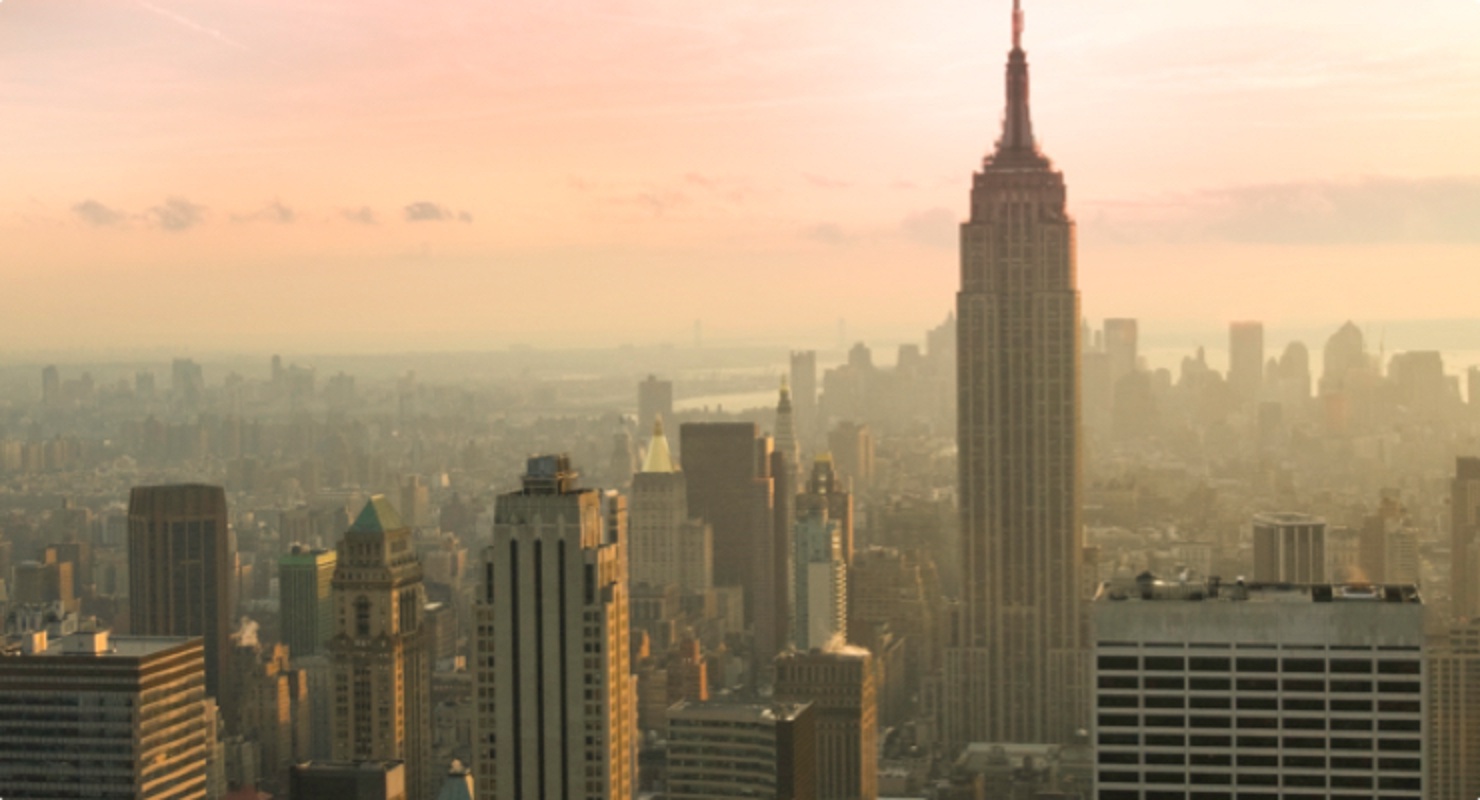
The smoky skies are being caused by a stagnant weather pattern, with a high-pressure system over the East Coast acting like a lid, trapping smoke close to the ground. As a result, visibility has dropped and the air has taken on a hazy appearance in cities like Chicago, Detroit, Boston, and New York.
In Minnesota, officials noted this was the state’s longest-ever air quality advisory due to wildfire smoke. Health experts are urging people—especially children, older adults, and those with respiratory conditions—to limit time outdoors and avoid strenuous activity. In some areas, the Air Quality Index (AQI) has topped 150, a level considered harmful for the general public.
New York State has extended warnings to over 50 counties, including the Hudson Valley, Adirondacks, and central regions, where fine particulate matter in the air is posing ongoing risks. State agencies are recommending indoor air filters, closed windows, and N95 masks for those who must be outside.
Canada’s fire season has already been one of the most extreme on record, with more than 15 million acres burned and over 160 fires still active. Officials say the smoke will likely continue impacting U.S. air quality over the coming days, depending on weather patterns and fire activity north of the border.