
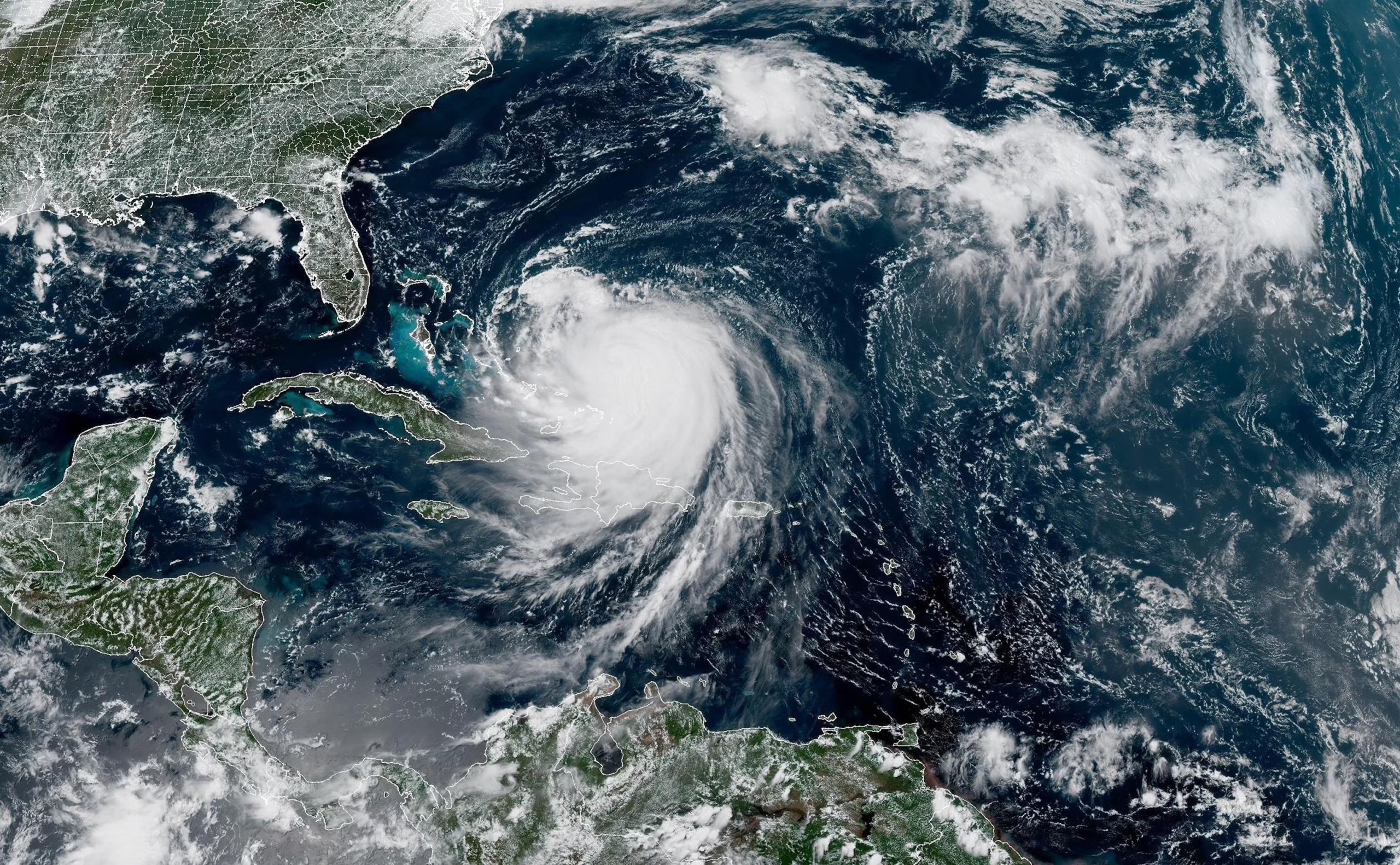
Hurricane Erin, the first major storm of the Atlantic season, is intensifying offshore but already making its presence felt along the Eastern Seaboard, where dangerous surf, rip currents, and flooding are forcing evacuations and beach closures.
Rapid Intensification and Current Strength
The storm underwent explosive growth over the weekend, surging from a Category 1 to a Category 5 in just over a day. While Erin has since weakened slightly, it remains a powerful hurricane, with sustained winds ranging between 110 and 130 miles per hour depending on the latest readings. Forecasters expect the system to fluctuate in strength as it moves northward over the open Atlantic.
Projected Path
Erin is tracking between the Bahamas and Bermuda and is forecast to pass east of the U.S. coastline later this week. Meteorologists emphasize that even without a direct landfall, the storm’s wide circulation and massive waves pose serious threats to communities from the Carolinas through New England and into Atlantic Canada.
Coastal Impacts Already Underway
Authorities in North Carolina’s Outer Banks have ordered evacuations for parts of Hatteras and Ocracoke Islands as forecasters warn of surf reaching 15 to 25 feet and the potential for severe coastal flooding. Farther north, beaches in New Jersey and Delaware have been closed as lifeguards report increasingly hazardous rip currents. Some models project offshore waves could tower up to 100 feet, creating perilous conditions for both beachgoers and mariners.
Broader Concerns
Hurricane Erin marks the fourth consecutive year the Atlantic has produced a Category 5 storm, highlighting a troubling trend of increasingly intense tropical systems linked to warming ocean waters. Officials stress the importance of heeding all warnings, noting that the storm’s impacts extend far beyond its center.
Looking Ahead
Erin is expected to remain a formidable storm through the week, with the greatest risk for coastal flooding and rip currents peaking between Tuesday and Thursday. Emergency officials across the East Coast urge residents and visitors to avoid the water and remain alert to evolving forecasts.