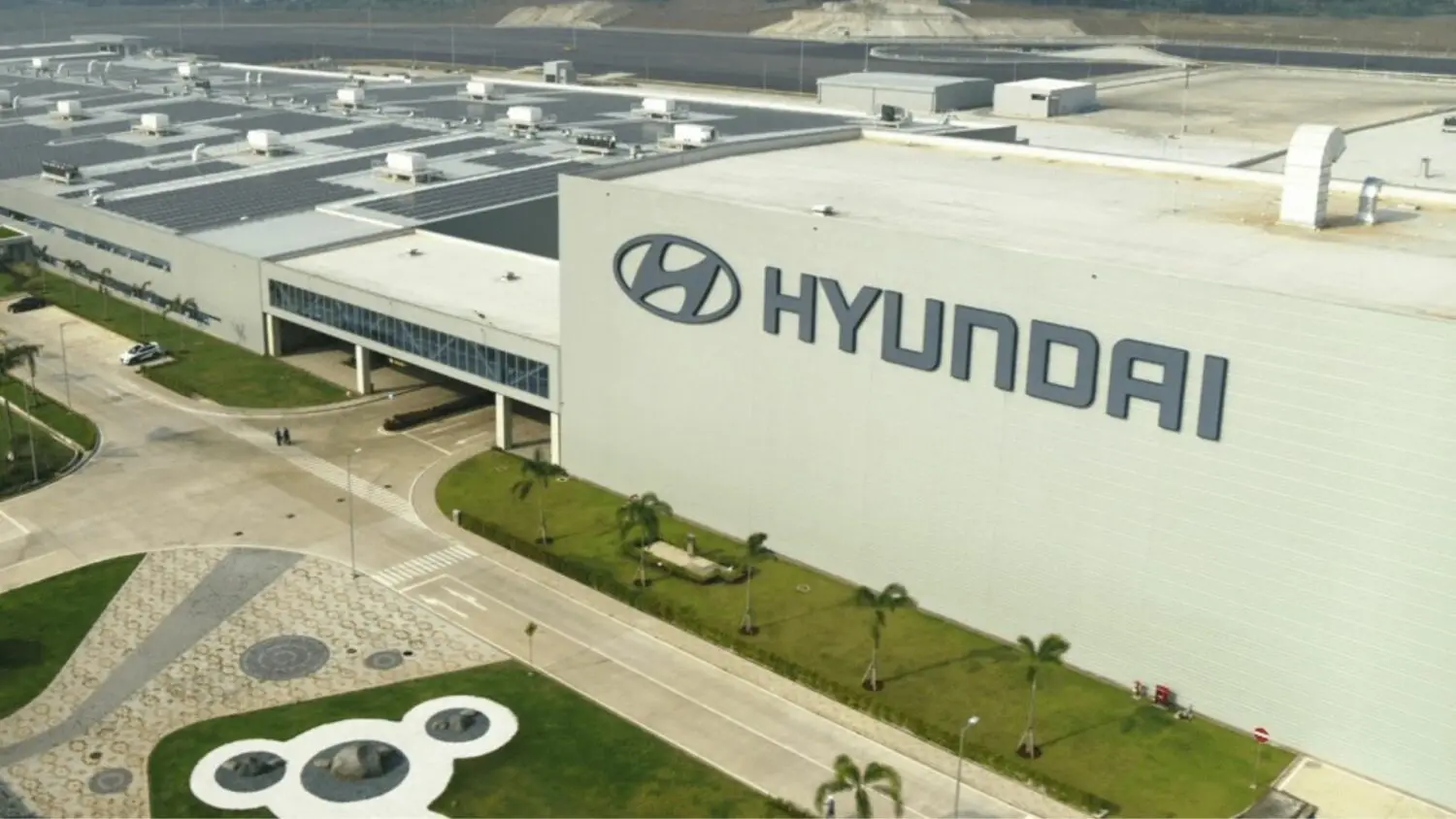
The crackdown on unauthorized labor has spilled into the Trump presidency, sparking diplomatic tensions after a massive immigration raid at a Hyundai-LG electric vehicle battery plant in Georgia. Nearly 500 workers were detained during the September 4 operation, many of them South Korean nationals who were in the U.S. under questionable visa arrangements.
The Raid
Immigration and Customs Enforcement officials targeted the $7.6 billion battery facility in Ellabell, Georgia, citing concerns over illegal work authorizations and misuse of visas. Witnesses described scenes of chaos as federal agents arrived on-site, detaining workers and transporting them to detention centers. Reports later surfaced that some of the detainees were handcuffed, confined in overcrowded holding areas, and subjected to harsh conditions.
International Fallout
The sweep drew immediate outrage from South Korea, home to Hyundai and LG. South Korean officials condemned the treatment of their nationals and suggested the raid could discourage other foreign companies from investing in American manufacturing. Lawmakers in Seoul demanded Washington provide assurances that legitimate workers will be protected and called for more predictable rules on temporary visas.
The Trump Administration’s Response
Facing growing criticism, President Donald Trump attempted to walk a fine line. He reiterated that foreign corporations investing in the U.S. must comply strictly with immigration and labor laws. At the same time, he acknowledged the specialized skills of some of the detained workers and proposed that select foreign engineers and technicians could be granted short-term permission to remain in order to train American employees before leaving the country.
Economic Concerns
The Georgia facility is a cornerstone of the White House’s push to accelerate electric-vehicle production and reduce reliance on Chinese supply chains. With billions already invested and thousands of American jobs projected, the fallout from the raid has raised concerns about the stability of U.S.–South Korea business ties. Analysts warn that a chill in relations could complicate broader trade and technology partnerships between the two allies.