The United States is once again staring down the possibility of a government shutdown as lawmakers clash over how to fund federal operations beyond the looming deadline. Despite days of negotiations, Democrats and Republicans remain far apart on spending priorities, leaving federal agencies bracing for disruptions that could ripple through the economy and affect millions of workers.
Republicans in Congress are pushing a temporary funding bill to keep the government open until late November, arguing it provides breathing room to negotiate a broader budget deal. Democrats, however, want to pair any stopgap measure with policy riders—particularly around health care and domestic spending—that Republicans say are unacceptable. The standoff has left little time for compromise before agencies begin furloughing workers and suspending services.
President Trump has seized on the showdown, casting blame squarely on Democrats and accusing them of sabotaging efforts to avoid a shutdown. GOP leaders have echoed his message, insisting that Democrats are more interested in scoring political points than keeping the government running. Democrats counter that Republicans, despite holding majorities in both chambers, are failing to govern responsibly and have shut the door on serious negotiations.
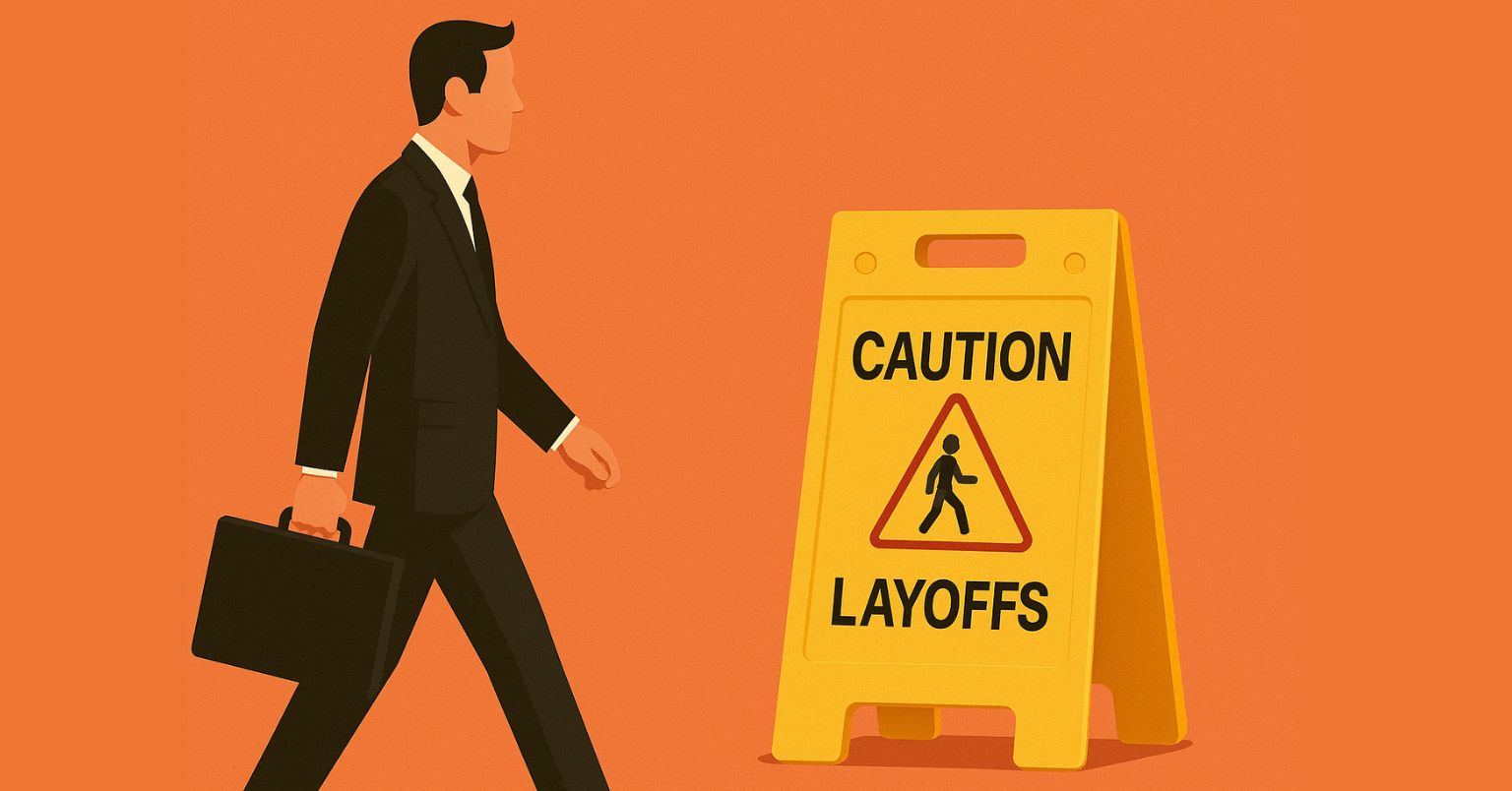
Meanwhile, the consequences of inaction are beginning to surface. Federal agencies have been told to dust off their shutdown plans, and unions representing government workers have filed lawsuits challenging what they describe as unlawful threats of mass layoffs. The uncertainty has rattled federal employees and contractors, many of whom vividly remember the financial strain of past shutdowns.
With the deadline just hours away, the pressure is mounting on both parties to strike a deal. While leaders from both sides claim they want to avoid a shutdown, the lack of trust and partisan brinkmanship has left little room for maneuvering. If Congress fails to act, the country could soon face its first government shutdown since 2018, further deepening public frustration with Washington’s gridlock.