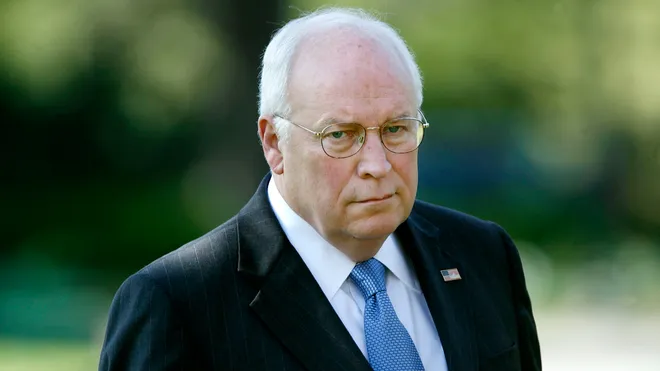
Dick Cheney, who served as Vice President of the United States from 2001 to 2009, died at the age of 84 on November 3, 2025, with his family attributing the cause to complications of pneumonia and longstanding cardiovascular and vascular disease. His death marks the end of a four-decade political career that spanned positions such as Secretary of Defense, White House Chief of Staff, and U.S. Congressman.
Throughout his tenure, Cheney wielded unusually strong influence as vice president, particularly in the aftermath of the September 11 attacks. He helped shape major policies including the invasions of Afghanistan and Iraq, the expansion of executive power, and controversial programs on surveillance and detainee treatment — all of which made him one of the most polarizing figures in modern American politics.
His health struggles were well-known: Cheney survived five heart attacks beginning in 1978, underwent multiple surgeries including a quadruple bypass in 1988, and received a heart transplant in 2012. Despite these challenges, he remained an active political voice after leaving office — most notably criticizing Donald Trump and, in a break from many in his party, supporting Kamala Harris in the 2024 presidential election.
His legacy is multifaceted: to supporters, he was a steadfast patriot and architect of post-9/11 security; to critics, he was a defender of unchecked executive power and military interventionism. With his passing, the national conversation returns to how Cheney’s strategies and decisions continue to influence U.S. foreign policy, civil liberties, and the role of the vice presidency itself.