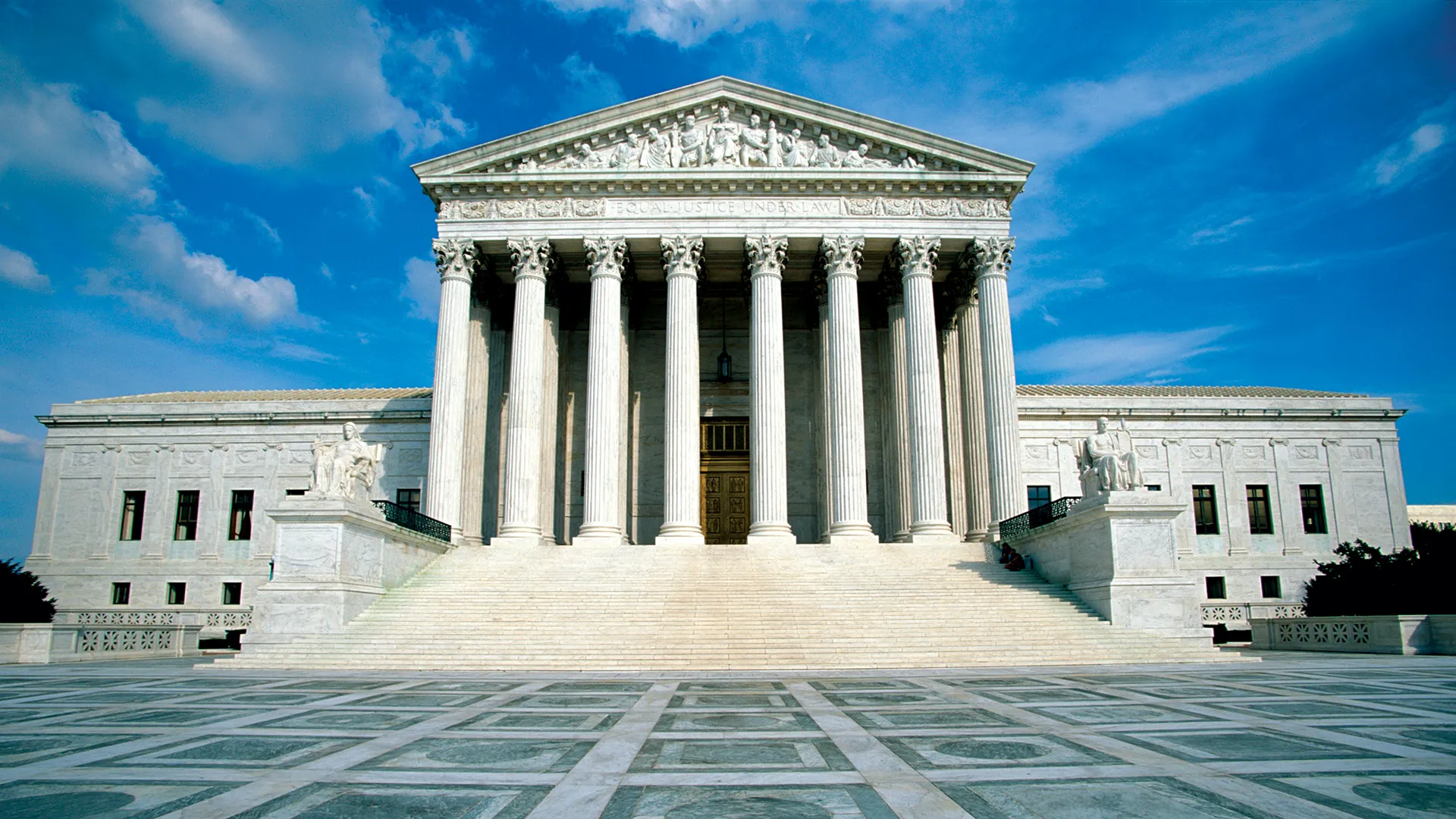
The Supreme Court is set to hear oral arguments this week on whether President Donald Trump exceeded his authority when he imposed sweeping tariffs under the 1977 International Emergency Economic Powers Act (IEEPA). The case challenges the legality of Trump’s decision to levy broad import taxes on goods from multiple countries — a move initially justified as a response to “unfair trade practices” and national security threats. A lower court previously ruled that Trump overstepped his presidential powers, though the tariffs have remained in effect pending appeal.
Trump announced that he will not attend the hearing, saying he did not want to overshadow the proceedings, while continuing to defend his trade policies as essential to strengthening the U.S. economy and manufacturing base. He argued the tariffs helped protect American jobs, boosted domestic production, and gave Washington leverage in global trade negotiations, particularly with China. His legal team maintains that presidents have wide discretion under the IEEPA to respond to perceived economic emergencies.
At the core of the case is a constitutional clash over the separation of powers — whether the executive branch can unilaterally impose trade restrictions or if such authority belongs to Congress. Legal experts say the ruling could redefine the balance of power in U.S. trade policy, limiting or reaffirming how future presidents use emergency statutes to address economic and geopolitical concerns.
If the Supreme Court strikes down Trump’s tariffs, the economic fallout could be significant. Importers and businesses affected by the duties may seek billions in refunds, and the Biden administration could be forced to redesign large parts of U.S. trade policy. The decision, expected later this term, will likely have lasting implications for presidential authority, global markets, and America’s approach to trade enforcement.