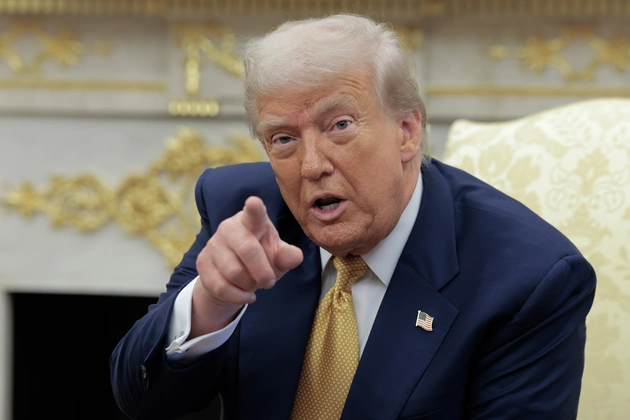
Former President Donald Trump announced that the United States will impose a 25% tariff on all imports from India beginning August 1, citing unresolved trade issues and India’s continued purchase of oil and military equipment from Russia. While referring to India as “a great friend,” Trump criticized the country’s high tariffs on American goods and what he described as unfair barriers to U.S. market access. He emphasized that the new tariffs are intended to push India toward a more “balanced” trade relationship, and signaled that additional penalties could follow if New Delhi does not change course. Talks on a broader trade agreement have stalled in recent months, and Trump said the August 1 deadline for the new tariffs “will not be extended.”
Indian officials have not yet commented publicly on the announcement, but opposition leaders within the country were quick to criticize Prime Minister Narendra Modi’s administration, warning that close ties to both Russia and Trump-era policies are now backfiring. Economists are also sounding the alarm, suggesting that the new tariffs could lead to rising costs for U.S. consumers and businesses that rely on Indian imports, including textiles, pharmaceuticals, and IT services. Some analysts fear the move may further strain an already complex U.S.–India relationship that has balanced economic cooperation with divergent foreign policy strategies.
The White House under Trump has adopted a tougher stance on countries it views as exploiting U.S. markets, with similar tariff threats made against Mexico, China, and the European Union in recent months. Trump’s administration insists the approach is about restoring fairness and leverage in global trade, but critics argue the tactic risks triggering retaliatory measures and hurting domestic growth. India, for its part, has expressed interest in continuing trade talks but has remained firm in defending its energy partnerships and sovereign decision-making. Whether the two countries can reach a compromise before the tariffs take full effect remains uncertain, but businesses on both sides are already bracing for impact.