
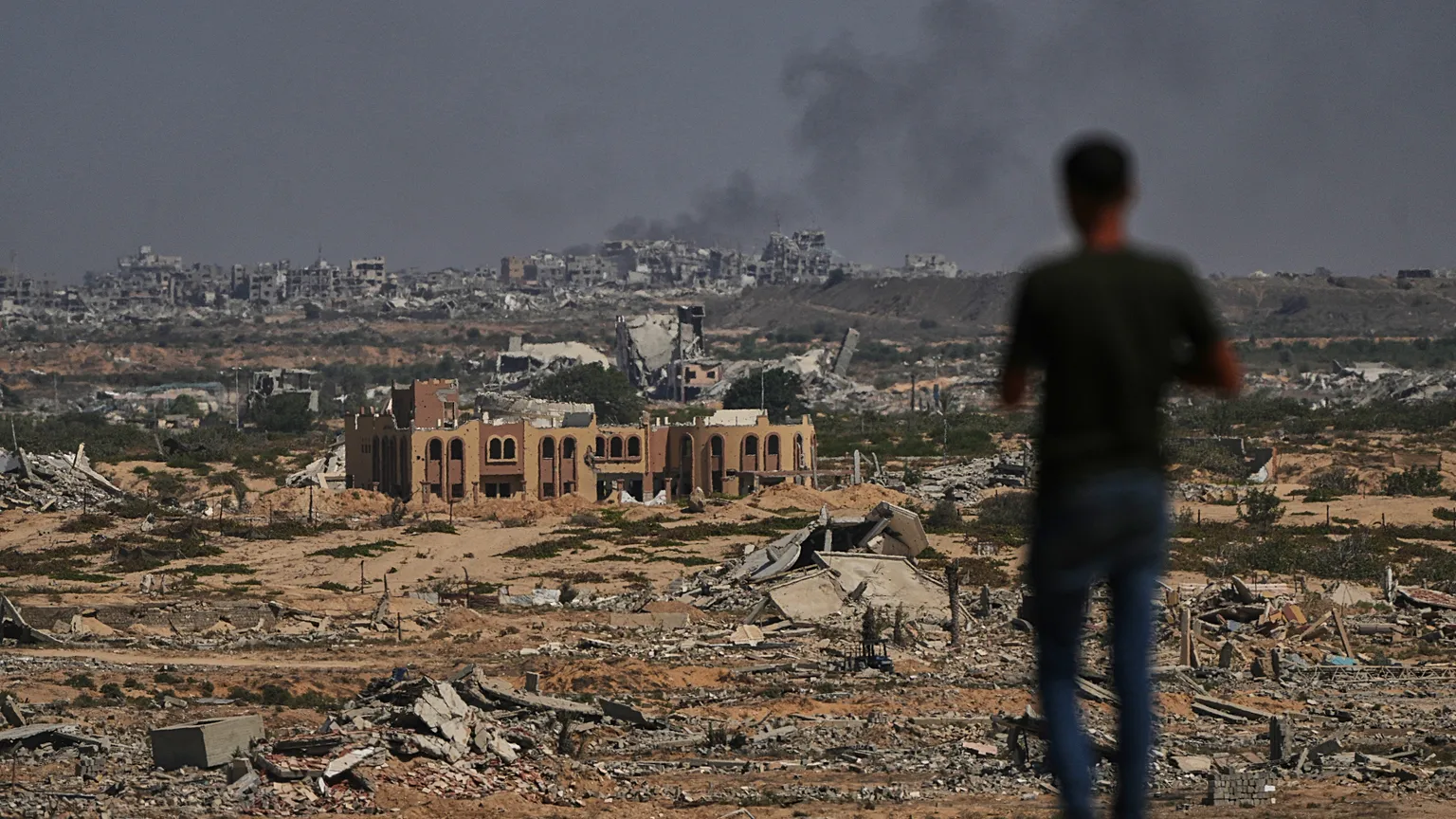
After more than two years of war, Israel and Hamas have reached a breakthrough ceasefire and hostage-exchange agreement, marking a potential turning point in one of the region’s deadliest conflicts. The U.S.-brokered deal, finalized through indirect negotiations mediated by Qatar and Egypt in Sharm el-Sheikh, calls for an immediate halt in hostilities, a partial Israeli troop withdrawal from Gaza, and the release of Israeli hostages in exchange for hundreds of Palestinian prisoners.
The ceasefire is expected to take effect once it receives final approval from Israel’s cabinet, with the first phase unfolding over a 72-hour period that will include verified hostage transfers and humanitarian aid deliveries into Gaza. The plan reportedly involves multiple stages aimed at easing tensions and creating a framework for sustained peace talks—something that has eluded both sides for decades.
President Donald Trump, who played a central role in pushing the agreement forward alongside Israeli Prime Minister Benjamin Netanyahu and Qatari negotiators, hailed the deal as a “historic first step toward peace.” Still, deep skepticism remains. Many Israelis are wary of Hamas reasserting control in Gaza, while Palestinians question whether the ceasefire will lead to real political progress or simply a pause in violence.
Analysts note that although the ceasefire could bring temporary relief to civilians in Gaza and southern Israel, enforcing it will be difficult without a broader political settlement. International observers are watching closely to see if this fragile truce can hold—and whether it might open the door to a longer-lasting peace in a region long defined by conflict and mistrust.