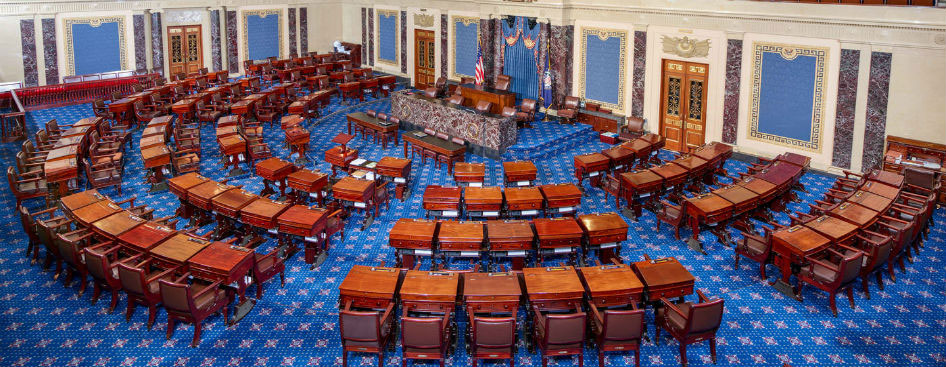
The United States Senate passed a temporary funding bill on November 10, 2025, by a vote of 60–40, aimed at ending the longest federal government shutdown in U.S. history. The measure would reopen parts of the government and restore funding after more than 40 days of paralysis.
The bill allows the government to operate through January 30, 2026, and includes full-year appropriations for key areas like military construction, veterans’ affairs, and food-assistance programs such as Supplemental Nutrition Assistance Program (SNAP) through September 2026. However, it does not guarantee a vote on expiring health-care subsidies under the Affordable Care Act (ACA), angering many Democrats who had pressed for those extensions.
The agreement drew support from a small group of bipartisan senators — eight Democrats joined nearly all Republicans to clear the procedural hurdle. Major Democratic figures such as Chuck Schumer criticized the deal, saying it broke commitments on health-care subsidies. With the Senate vote secured, the bill now moves to the United States House of Representatives, where leadership anticipates a swift vote to send the legislation to Donald Trump’s desk.
While the passage marks a crucial step toward reopening the government, analysts caution that the deal only delays potential budget fights later in 2026 and leaves several policy-flashpoints unresolved. The lack of a binding mechanism for the ACA subsidies and other contentious issues means Congress may face another funding battle if political agreement isn’t reached.