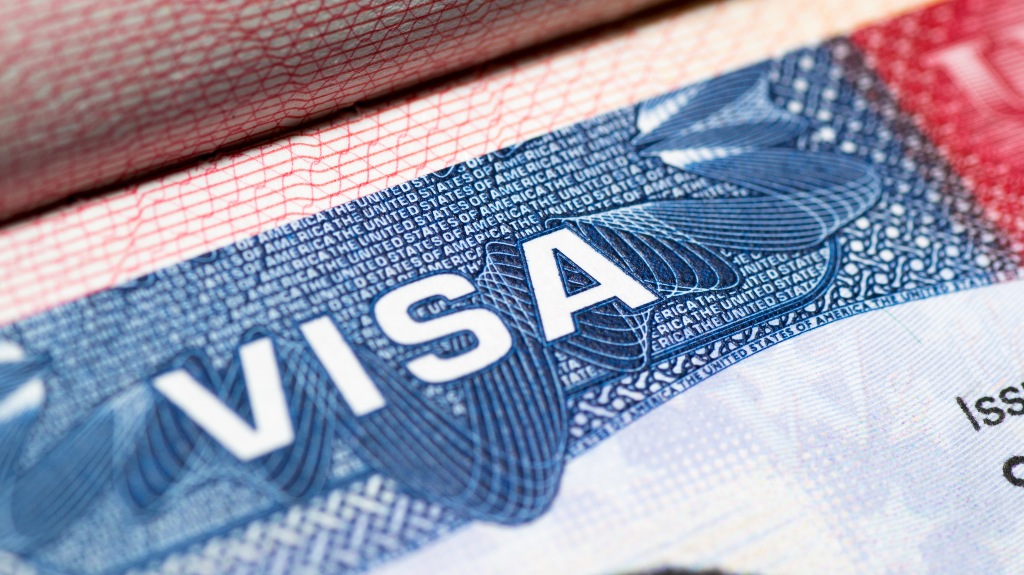
A new directive issued by the Donald Trump administration instructs the U.S. Department of State and U.S. embassies and consulates to expand visa-denial criteria for foreigners based on health conditions, financial status, and the likelihood of becoming a “public charge.” The guidance emphasizes that applicants with chronic medical conditions such as diabetes, cardiovascular disease, obesity, neurological or mental-health disorders, may now face increased scrutiny.
Under the directive, visa officers are asked to evaluate whether an applicant’s health or dependent’s health issues could require costly care funded by U.S. public resources, and whether the applicant has sufficient financial assets or employment prospects to avoid reliance on those resources. The language in the cable underscores that an applicant should “have adequate financial resources to cover the costs of such care over his entire expected lifespan without seeking public cash assistance or long-term institutionalization.”
Critics argue the policy significantly broadens the “public charge” concept—historically applied in a narrower way—and gives visa officers wide discretion to second-guess future medical needs and financial stability, even though they may lack medical training to do so. Legal experts warn that the guidance conflicts with previous State Department guidelines (e.g., the Foreign Affairs Manual) which caution against denying visas based on speculative “what if” health cost scenarios.
The directive is part of a larger hardline immigration strategy by the Trump administration, aimed at reducing both legal immigration and use of public benefits by immigrants. While the new rules apply across most visa categories, they are expected to have the most impact on immigrant and long-term visa applicants rather than short-term tourist or business visas. The new strategy is a way of focusing on not burdening American taxpayers from paying for unnecessary funds and putting their interests first.