President Trump publicly blasted Republican lawmakers in the state of Indiana for resisting a mid-decade congressional map redraw that he argued would bolster the GOP’s chances in the 2026 midterm elections. He criticized key figures—including state Senate leadership—for not aligning with his push and threatened primary challenges for Republicans who opposed the effort. The redistricting initiative was part of a broader national strategy by Trump and his allies aimed at reshaping electoral maps in favorable ways for the party.
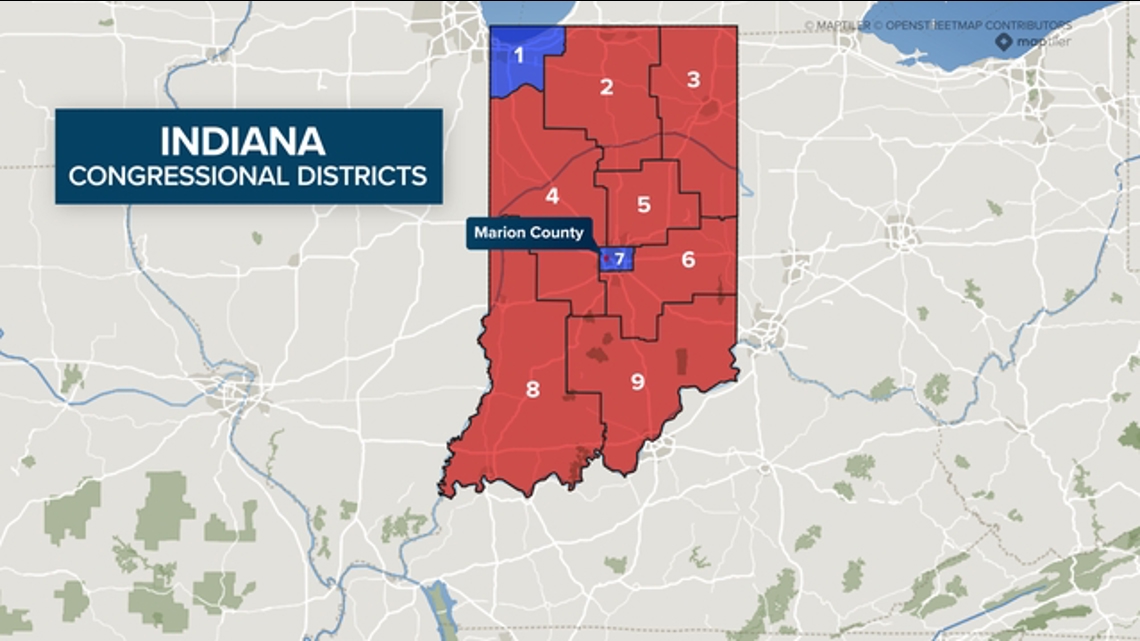
Despite having a large Republican majority in the Indiana legislature, Republican state Senate leadership concluded there weren’t enough votes to proceed with a special session dedicated to redrawing the congressional map. Senate President Pro Tem Rodric Bray announced the Senate would not convene in December for that purpose, citing an insufficient internal consensus. This decision dealt a setback to Trump’s mid-cycle redistricting agenda.
The battle over redistricting in Indiana reflects wider tensions within the Republican Party regarding political strategy, ethics, and long-term electoral risk. Some Indiana Republicans resisted the push on the grounds that a mid-cycle gerrymander could provoke backlash or raise questions about fairness and representation. Meanwhile, Trump framed the issue as critical to “saving” the House majority and viewed resistance as a betrayal of party unity.
Looking ahead, the Indiana setback may have broader implications for national redistricting efforts. As Republicans seek to gain ground in the U.S. House, the failure to proceed with map changes in states like Indiana could limit their ability to shift the balance. On the other hand, the public conflict between Trump and state GOP leaders may intensify internal divisions and raise questions about coordination between national and state party goals.