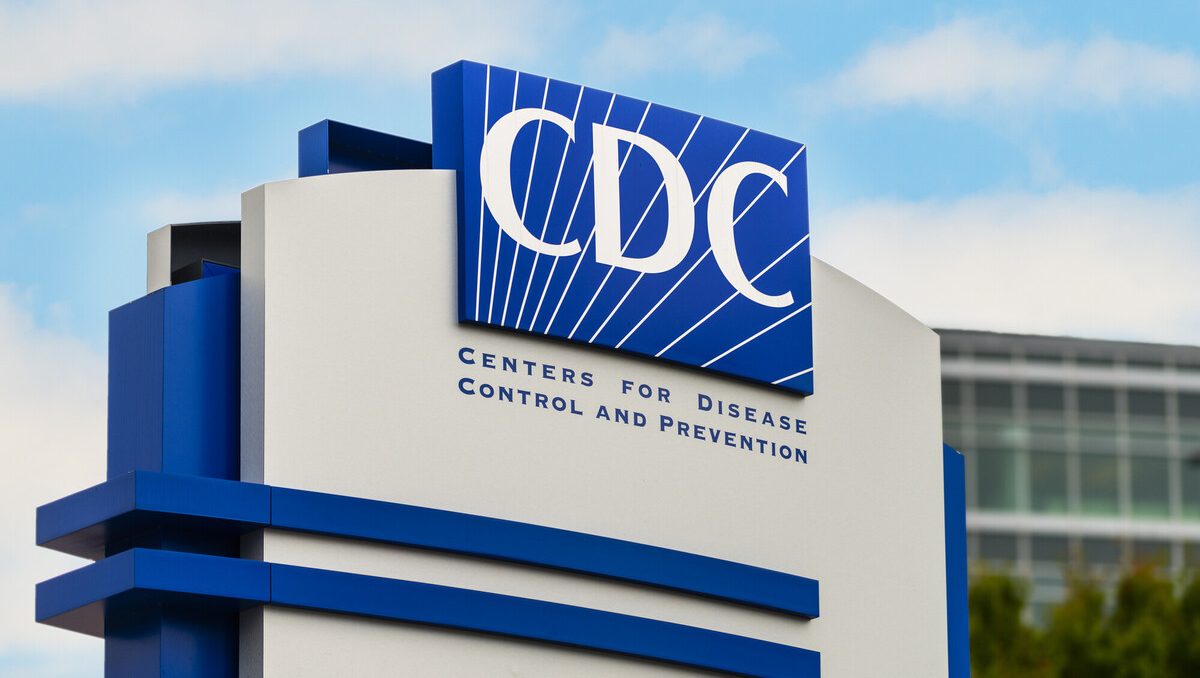
In November 2025, the CDC quietly revised a key webpage titled “Autism and Vaccines” to modify the agency’s long-standing position that vaccines do not cause autism. The updated language now states that the claim “vaccines do not cause autism” is not an evidence-based claim, because studies have not definitively ruled out the possibility that infant vaccines might contribute to autism. The change follows an agreement with the chair of the Senate Health, Education, Labor and Pensions Committee that the header “Vaccines do not cause autism” remain on the page—despite the altered supporting text.
The webpage now also accuses health authorities of having “ignored” studies suggesting a possible link between vaccines and autism and notes that the agency now plans a “comprehensive assessment” by the U.S. Department of Health and Human Services (HHS) into the causes of autism, including biologic mechanisms and potential causal links. In effect, the language signals a retreat from definitive denial of any connection and an openness to further investigation. This marks a substantive shift in tone, although not a formal conclusion that vaccines cause autism.
This describes how this change has stirred controversy both inside and outside the agency. Some career CDC scientists say they were blindsided by the update and concerned that the shift could erode public trust in vaccine safety and scientific communication. Meanwhile, vaccine-skeptic groups hailed the revision as validation of their long-held beliefs. The context includes political pressure and changes in leadership at HHS and CDC, including ties to the anti-vaccine movement, which added to the perception of ideological influence over agency messaging.
Finally, while the webpage’s wording has changed, the underlying scientific consensus remains that no credible study has established a causal link between routine childhood vaccines and autism spectrum disorders. Large-scale research and reviews continue to find no evidence of association. However, by changing its public messaging, the CDC is acknowledging scientific uncertainty — or at least opening the door to acknowledge that a complete “no link” statement may have been premature under its quality-standards rules. This has major implications for vaccine policy, public health communication, and the broader trust in federal health institutions.