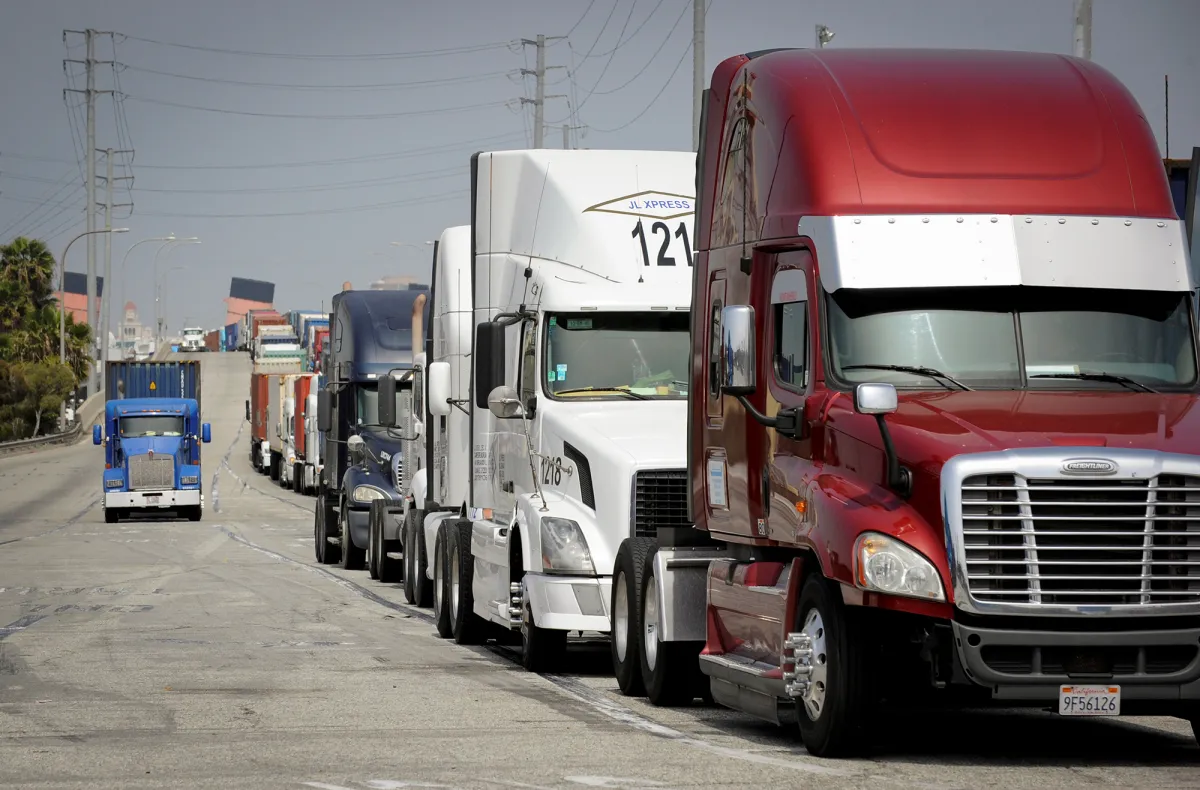
The Sean Duffy-led U.S. Department of Transportation (USDOT) announced plans to withhold approximately $160 million in federal highway and safety funding from California. This move comes after the department’s audit found that California allegedly issued commercial driver’s licenses (CDLs) to noncitizens—or allowed licenses to remain valid after work permits expired—in contravention of newly implemented federal regulations. The USDOT claims that tens of thousands of drivers in the state may be improperly licensed as a result.
The issue traces back to fatal crashes, most notably one in Florida, that prompted the federal government to tighten CDL eligibility rules for non-citizens. Under the new emergency regulation, only holders of three specific visa types may qualify for a CDL, and states must verify applicants’ immigration status via a federal database. California’s critics say the state failed to implement these standards, including addressing English-language proficiency and proper status verification, which triggered the enforcement action.
California officials dispute the federal assessment. The state’s Department of Motor Vehicles argues that California’s CDL holders have a lower crash rate than both the national average and states such as Texas. The state contends it is in compliance with federal rules and that the USDOT is using flawed data and unfounded claims to justify the funding threat. Nonetheless, the USDOT insisted that California has 30 days to submit a plan and begin revoking or auditing improperly issued CDLs, or risk losing its CDL-issuing authority altogether.
This conflict underscores the broader national debate over immigration policy, road-safety regulation and state-federal relations. The federal government frames the issue as both a safety and an immigration-enforcement concern—citing large rigs and school buses allegedly driven by non-compliant licensed drivers. Meanwhile, California insists its licensing system is robust and that it should not be penalized for the federal government’s regulatory changes. The outcome could significantly impact how other states handle CDLs for non-citizens and whether new federal-state enforcement norms will be set in the trucking industry.